Walking After Eating: What 10 Minutes Actually Does
A 10-minute walk after eating controls blood sugar as well as a 30-minute session. Here's the science and how to make it a daily habit.


Your blood sugar peaks about 30 to 60 minutes after a meal. During that window, your pancreas is working hard to push glucose out of your bloodstream and into your cells. A 2025 study published in Scientific Reports found that walking for just 10 minutes immediately after eating blunted that spike as well as a 30-minute walk done later. Not slightly less well. Just as well.
That's worth pausing on. If you eat lunch at noon and step outside at 12:10, you get the same metabolic benefit as a half-hour walk at 12:30. And if you're already tracking steps, those 10 minutes count toward your daily goal either way.
What happens in your body right after a meal
When you eat, carbohydrates break down into glucose and enter your bloodstream. Your pancreas releases insulin to shuttle that glucose into cells. If you sit still afterward, the process is slow, and the glucose peak can be sharp enough to leave you tired and foggy an hour later.
When you walk, your leg muscles contract and pull glucose directly into cells through a pathway that doesn't require insulin at all. Your body gains a second mechanism to clear sugar from the blood. This kicks in fast, which is why timing matters more than distance.
Why a 10-minute walk after eating is enough
The 2025 research showed something most people find counterintuitive: a 10-minute walk that starts right after eating outperformed a 30-minute walk that waited 30 minutes. Starting early, while digestion is still processing the meal, lets your muscles intercept glucose before it peaks. Waiting loses that window.
You don't need to be brisk about it. The studies used light to moderate intensity, a pace where you can hold a conversation without losing your breath. An easy loop around the block, or even pacing around your apartment, does the job.
The best time to walk after eating
Aim to get moving within 30 minutes of your last bite. Earlier is slightly better, but anywhere in that window helps. After dinner is where most people default to the couch, which is also when the effect matters most. A 10-minute walk around the block before sitting down for the evening does real work.
If you can't get outside, a few circuits around your flat or a lap around the office floor counts. The goal is to get your leg muscles working, not to log a scenic route.
Turning post-meal walks into a step streak
You eat three times a day, which means you have three natural prompts for movement. Lunch and dinner walks alone add 2,000 to 4,000 extra steps depending on pace and route. That's a significant chunk of most step goals without blocking off any extra time.
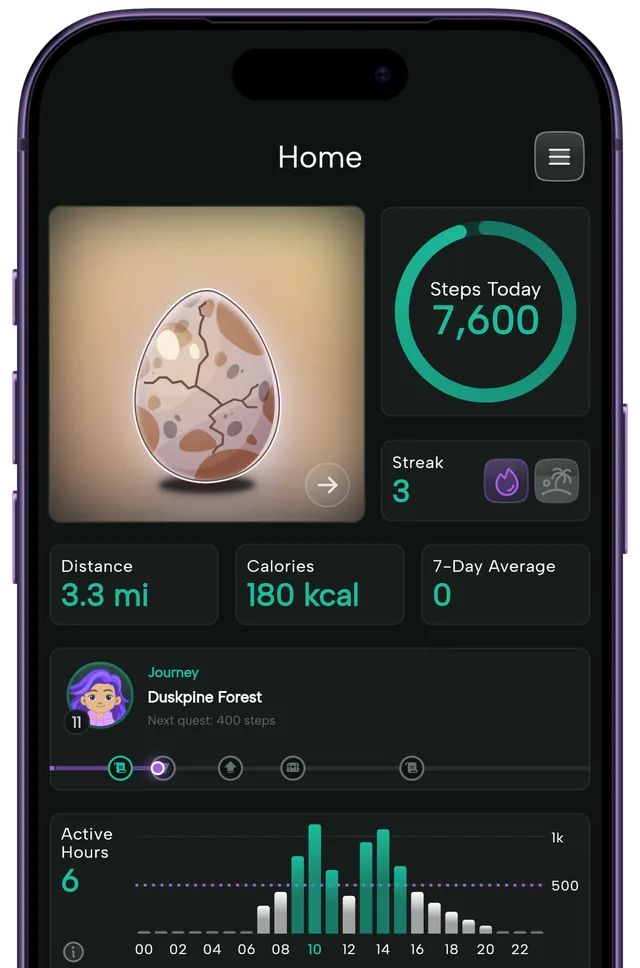
On a busy day when you're stuck at a desk or in back-to-back calls, a 10-minute post-lunch loop can be the difference between hitting your step goal and missing it. If you use an app like Steps & Beasts, those extra steps also push your eggs closer to hatching. Small walks, real progress.
Tips to make post-meal walking stick
Attach the walk to the meal, not to a time on the clock. When you finish eating, that's the trigger. Put your plate in the sink, put your shoes on. Start with the easiest version: one post-dinner walk per day, and add the others when it feels automatic.
If you notice you feel sharper in the afternoons on days you walk after lunch, that's the blood sugar effect at work. Some people also sleep better on days with an evening walk. A 2026 meta-analysis on walking and sleep quality found that even moderate walking improves sleep for people with poor baseline sleep, so the benefits compound.
One small walk, three times a day
Start with one meal. Pick the easiest one, probably dinner. Step outside for 10 minutes. See how the evening feels. Most people who try it once keep doing it, not because of the science, but because it actually feels good. Steps & Beasts tracks every step and turns your daily total into a streak worth protecting. Each post-meal walk counts.